
Validation of deep space systems
Analyzing the spacecraft, launch vehicles, and surface landing architectures engineered to sustain human presence beyond Earth orbit.
2.2M lbs
SLS launch thrust
24.6k mph
Orion re-entry velocity
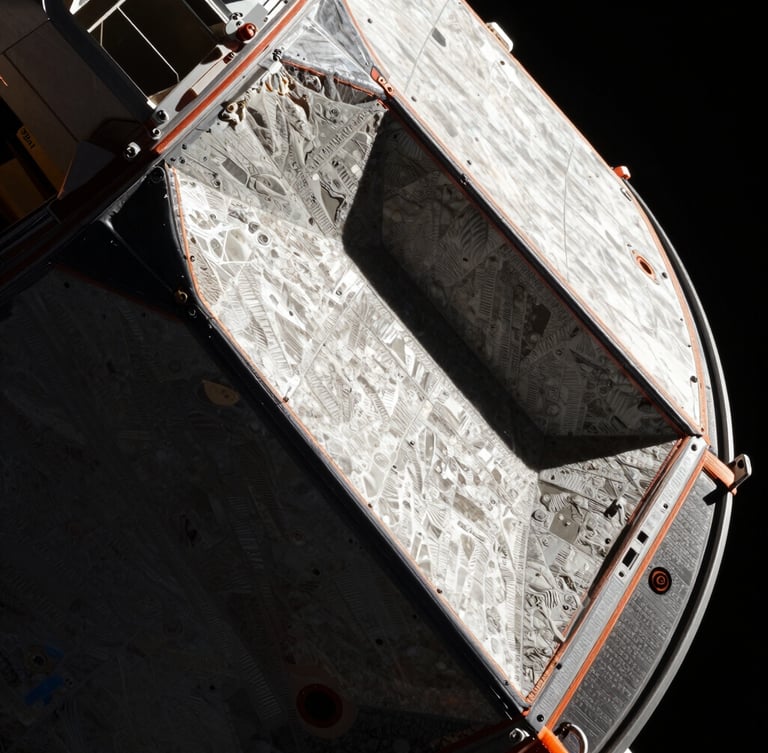
Orion spacecraft validation
Engineered for deep space transit, the Orion spacecraft protects crew during high-velocity re-entry while maintaining life support across long-duration lunar orbital operations.
Thermal Protection
The advanced heat shield handles temperatures reaching five thousand degrees Fahrenheit during atmospheric entry, utilizing a proprietary ablative material block system.
Environmental Control
Redundant life support loops recycle air and water, providing a pressurized, nitrogen-oxygen atmosphere for four astronauts during critical crewed validation phases.
The SLS launch stack
Generating unprecedented thrust to escape Earth gravity, the Space Launch System provides the heavy-lift capability required to propel Orion toward translunar injection.
Core Stage Power
Solid Rocket Boosters
Upper Stage Injection
Four RS-25 engines burn liquid hydrogen and oxygen, producing over two million pounds of sustained thrust during the initial eight-minute ascent.
Twin five-segment boosters provide seventy-five percent of total thrust during first-stage flight before cleanly separating over the Atlantic.
The interim cryogenic propulsion stage performs the critical burn, accelerating the spacecraft to escape velocity toward the Moon.
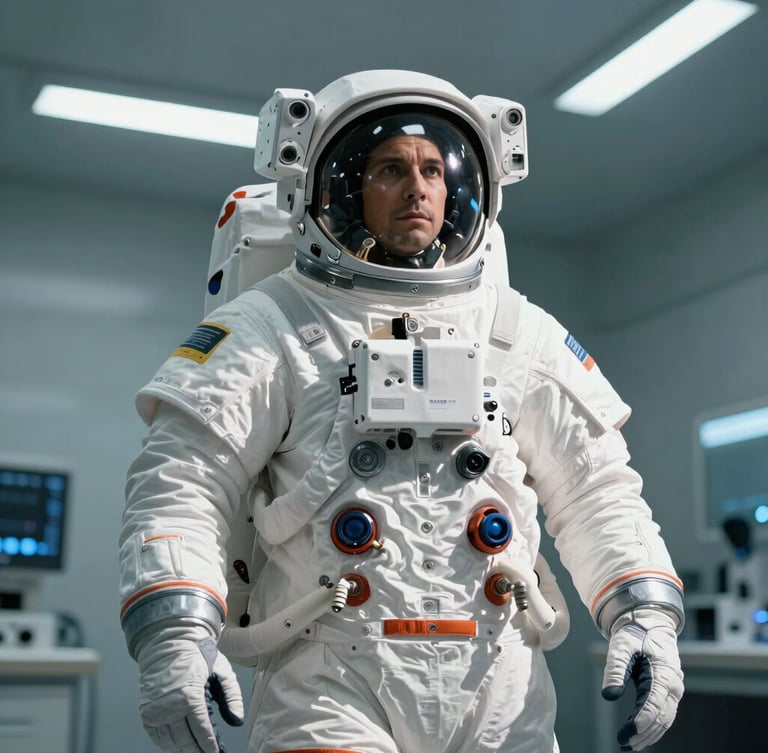
Next-generation surface systems
Astronauts will deploy advanced spacesuits designed for extreme thermal swings and high-mobility regolith exploration. These systems integrate directly with the human landing architecture to ensure safe operations on the South Pole.
The life support backpack provides autonomous oxygen, cooling, and communications, allowing continuous scientific exploration inside permanently shadowed craters.