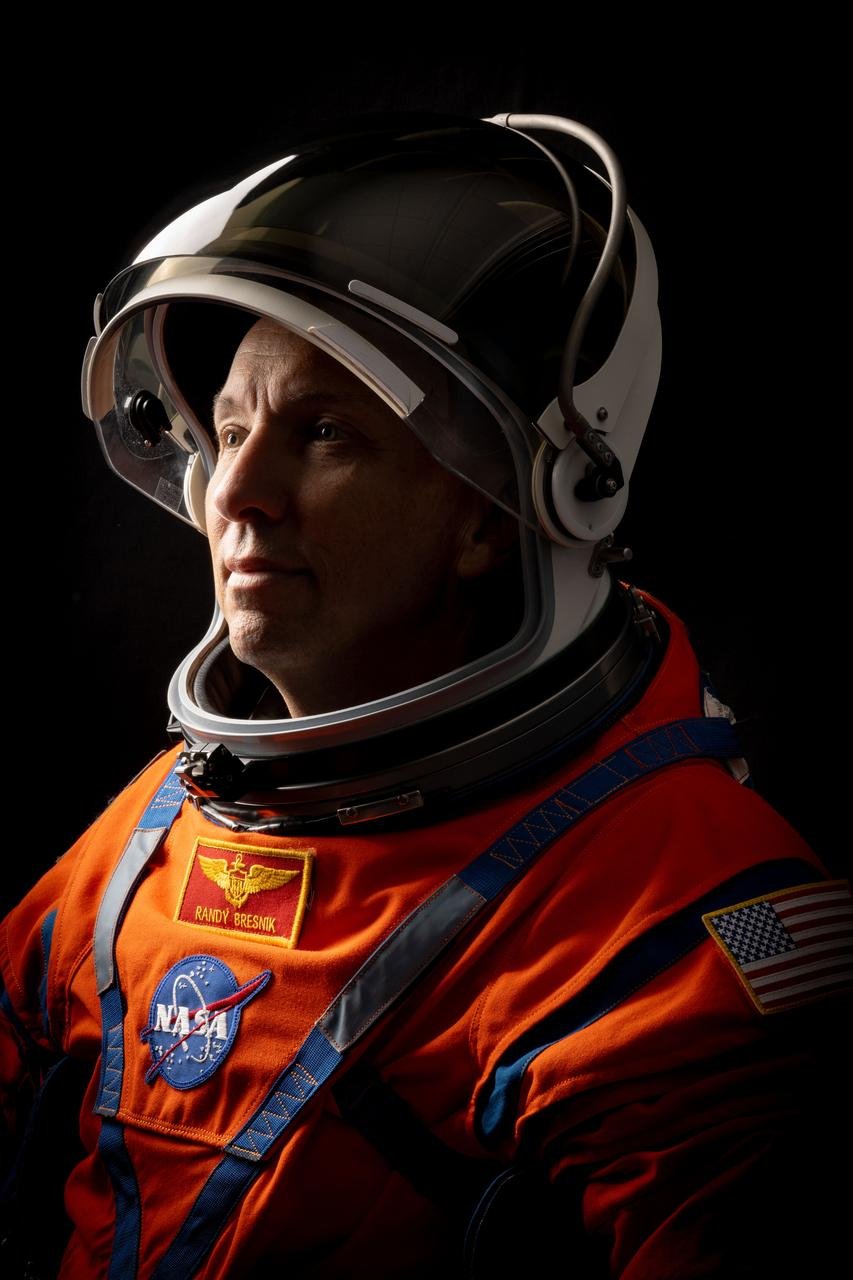
Commander
Randy Bresnik
NASA
NASA / Bill Stafford
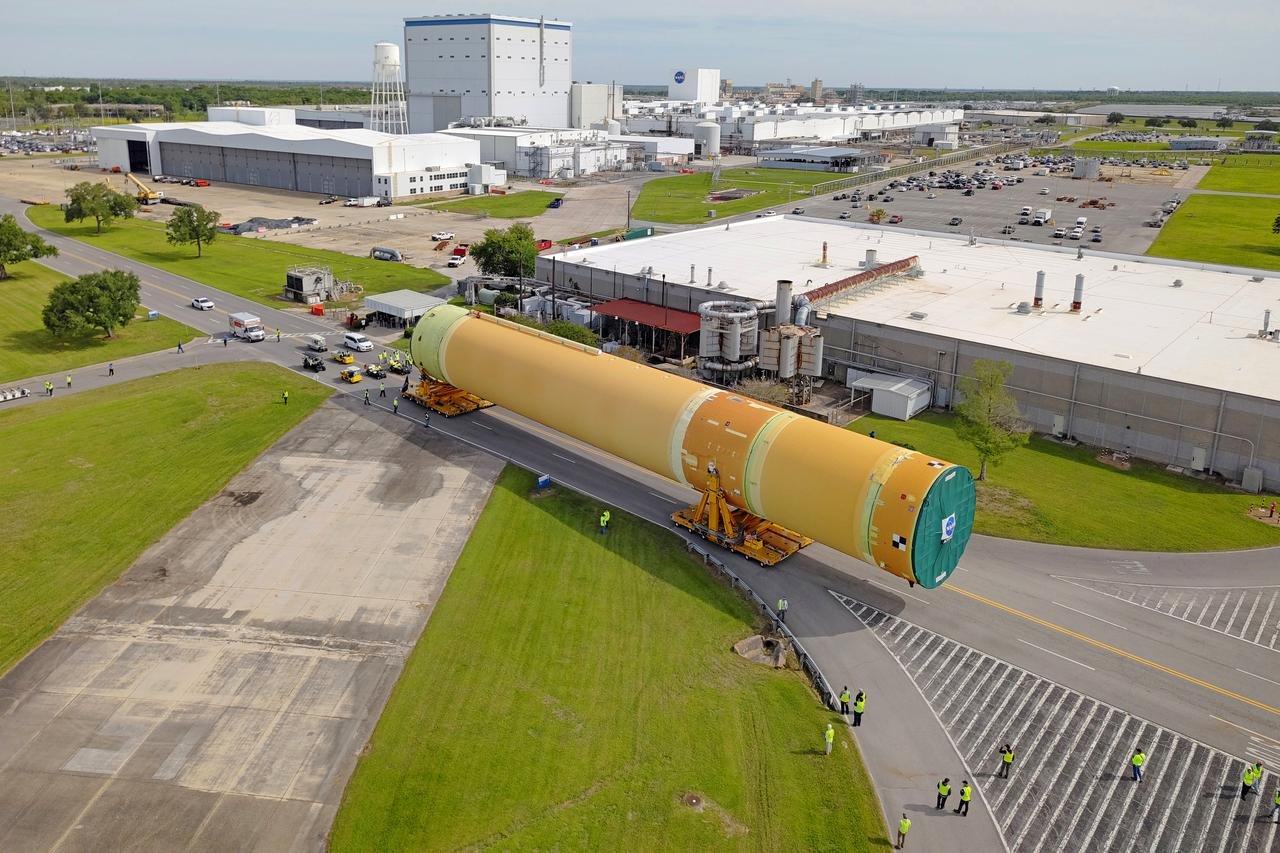 NASA / Michael DeMocker
Crewed LEO demonstration · planned 2027
Artemis III is NASA’s planned 2027 crewed test in low Earth orbit: four astronauts aboard Orion will demonstrate rendezvous and docking with commercial human landing system pathfinders from Blue Origin and SpaceX — risk reduction ahead of Artemis IV’s planned first crewed lunar South Pole landing in 2028.
On Feb. 27, 2026, NASA refined the Artemis architecture: Artemis III became a low Earth orbit demonstration to test rendezvous, docking, and integrated operations with commercial lander pathfinders before a crewed surface attempt. Artemis IV is planned as the first Artemis mission on the lunar surface, in 2028, with NASA selecting the first lander based on readiness. NASA lists Artemis III for 2027 and described a summer 2027 target at its Oct. 23, 2026 briefing; no launch date has been set.
Mission update · Oct. 23 and Oct. 28, 2026
On Oct. 23, 2026, NASA described the planned 14-day Artemis III mission in low Earth orbit. Blue Origin launches a Blue Moon Mark 2 test article first, into a circular orbit about 273 miles (237 nautical miles) up, where it can wait up to 30 days. SLS then launches Orion with NASA astronauts Randy Bresnik, Frank Rubio, and Andre Douglas, and ESA astronaut Luca Parmitano. After about two days of checkouts, Orion docks at a port beside Blue Moon’s crew cabin, and the crew spends about two days evaluating the cabin environment, controls, and life support.
SpaceX then launches a Starship Version 3 test article into a lower orbit (206 nautical miles). Orion docks with the system at Starship’s nose for a test expected to last up to two hours; the crew will not enter Starship. Up to five more days are available for Orion tests and science before splashdown in the Pacific Ocean off California. NASA lists the launch as 2027, and at the briefing NASA leaders described a summer 2027 target.
For the landing missions, Orion and the lander will no longer meet in a near-rectilinear halo orbit around the Moon. SpaceX’s Starship lander would dock with Orion in Earth orbit and then push the combined stack to low lunar orbit. Blue Origin’s Blue Moon Mark 2 would use three transfer stages to reach an elliptical polar orbit around the Moon, where Orion docks with it. Neither lander is assigned to a specific mission: based on readiness, NASA will select which company lands astronauts first in 2028, and a second crewed landing opportunity will follow. NASA is targeting two moonwalks of about two hours each on the first surface missions, in a spacesuit provided by Axiom Space.
On Oct. 28, 2026, NASA reported that teams lifted the 212-foot SLS core stage from High Bay 2 of the Vehicle Assembly Building and integrated it with the twin solid rocket boosters on the mobile launcher in High Bay 3, completing the “short stack.” After testing and checkouts, the stack will roll to Launch Pad 39B for a tanking test, with liquid hydrogen and liquid oxygen loaded into the core stage while launch teams practice countdown procedures.
NASA sources: Artemis III mission plan · Lander plans for 2028 · Core stage joins boosters · Oct. 23 briefing
Hardware note · Oct. 21, 2026
On Oct. 21, 2026, NASA hot-fired RS-25 developmental engine No. 10001 on the Fred Haise Test Stand at Stennis Space Center for 500 seconds, the same duration RS-25 engines fire during an SLS launch, reaching up to the 111% power level.
The test’s main objectives were to acceptance test RS-25 flight components for future Artemis missions and to validate a new thermal protection system that shields the engine nozzle during launch. Engine No. 10001 is a developmental engine and will not fly.
Build update · Oct. 13, 2026
NASA reported on Oct. 13, 2026, that booster stacking is complete on the mobile launcher for the short-stack tanking configuration, and that all four RS-25 engines are installed on the SLS core stage.
Next steps: install the core stage systems tunnel, then mate the core stage with the boosters. In the coming months the short stack will roll out to Launch Pad 39B for a propellant-loading practice. The crew (Randy Bresnik, Frank Rubio, Andre Douglas, and ESA’s Luca Parmitano) will do a launch-day suit-up and emergency-exit walkthrough.
NASA’s target remains 2027 for Artemis III, a crewed demonstration in low Earth orbit of rendezvous and docking with commercial lander pathfinders, not a lunar landing.
Crew
Commander Randy Bresnik, Pilot Luca Parmitano (ESA), and Mission Specialists Andre Douglas and Frank Rubio (NASA). Backup: Bob Hines. Named by NASA on June 9, 2026.
Commander
NASA
NASA / Bill Stafford
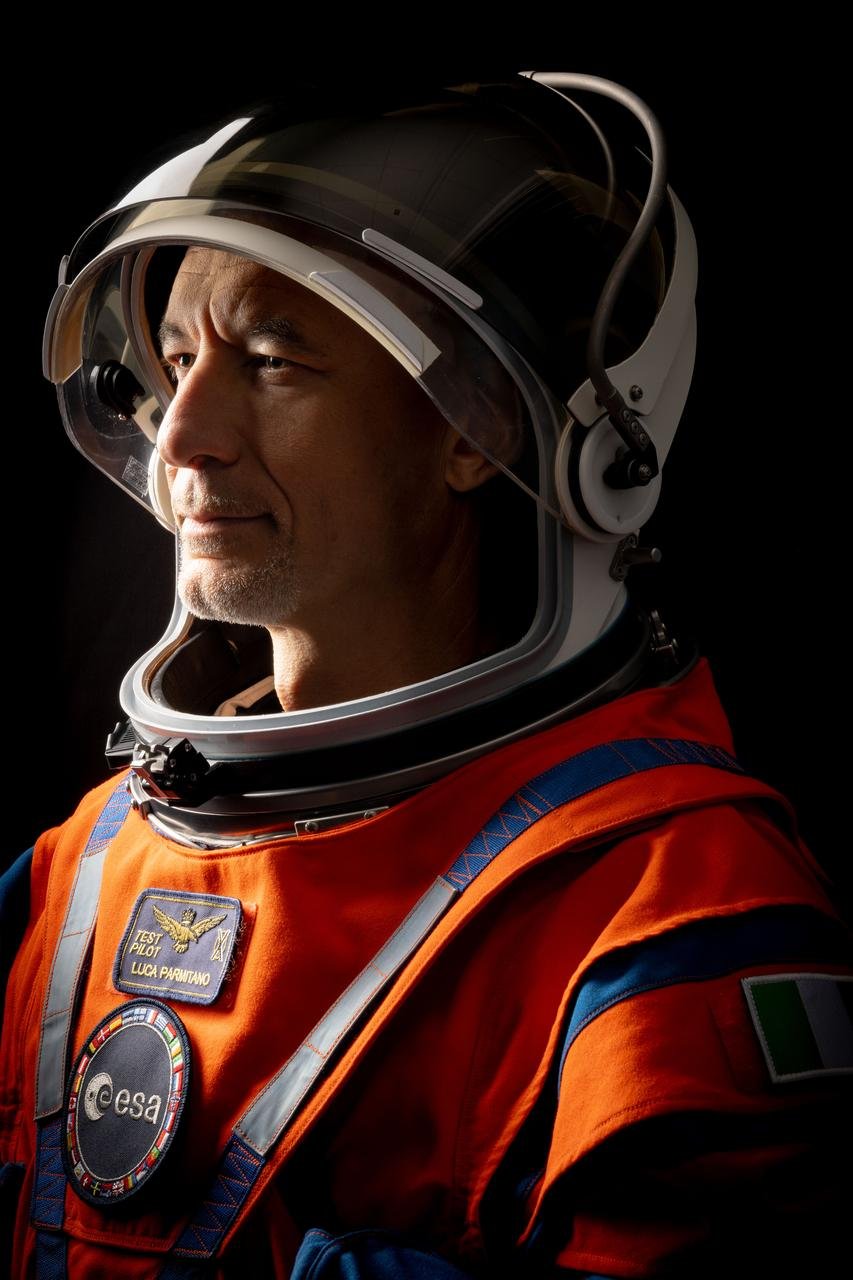
Pilot
ESA (European Space Agency)
NASA / Bill Stafford

Mission Specialist
NASA
NASA / Bill Stafford

Mission Specialist
NASA
NASA / Bill Stafford
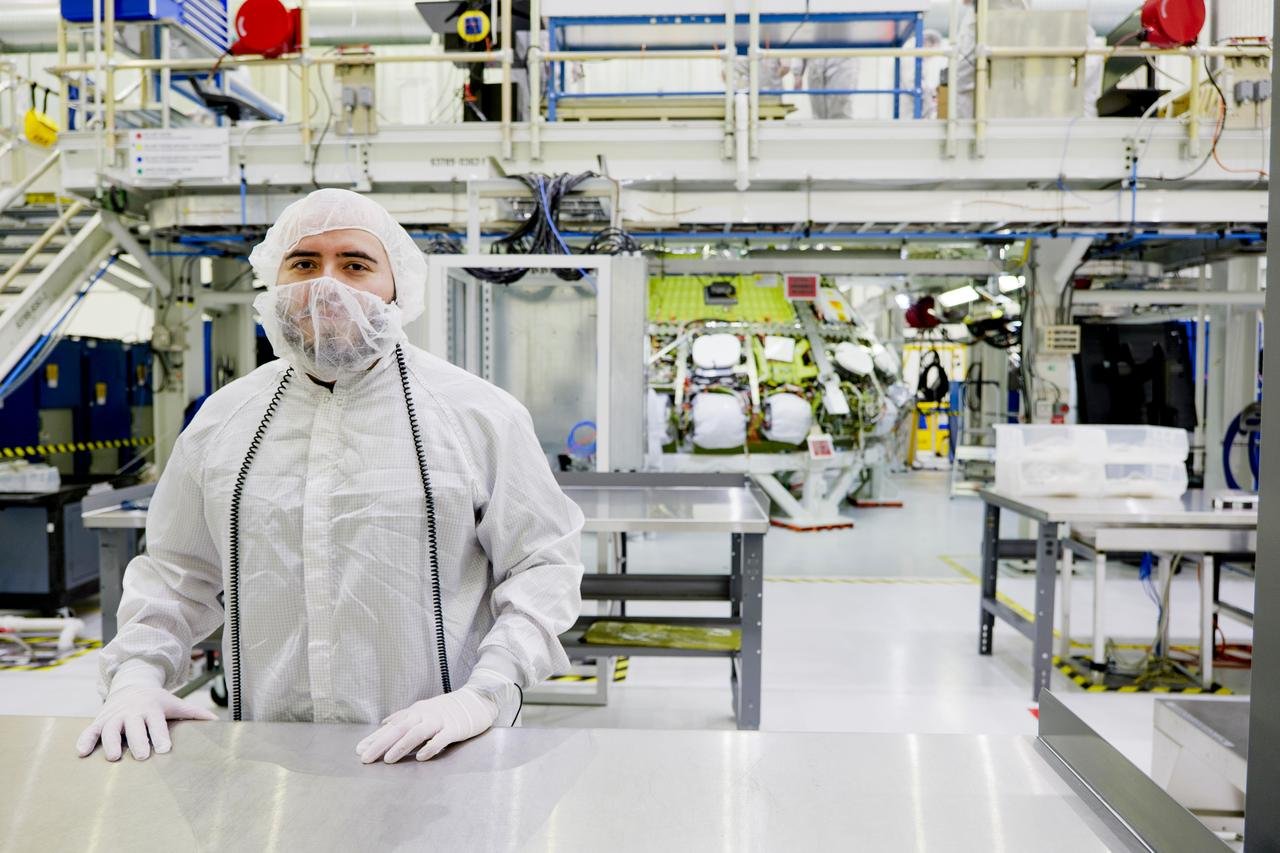
Mission profile
Blue Origin’s Blue Moon test article launches first; SLS and Orion follow with the crew; SpaceX’s Starship test article launches later in the mission. Two docking tests over a planned 14 days, then splashdown in the Pacific off California.
NASA / Rad Sinyak
Explore the mission overview →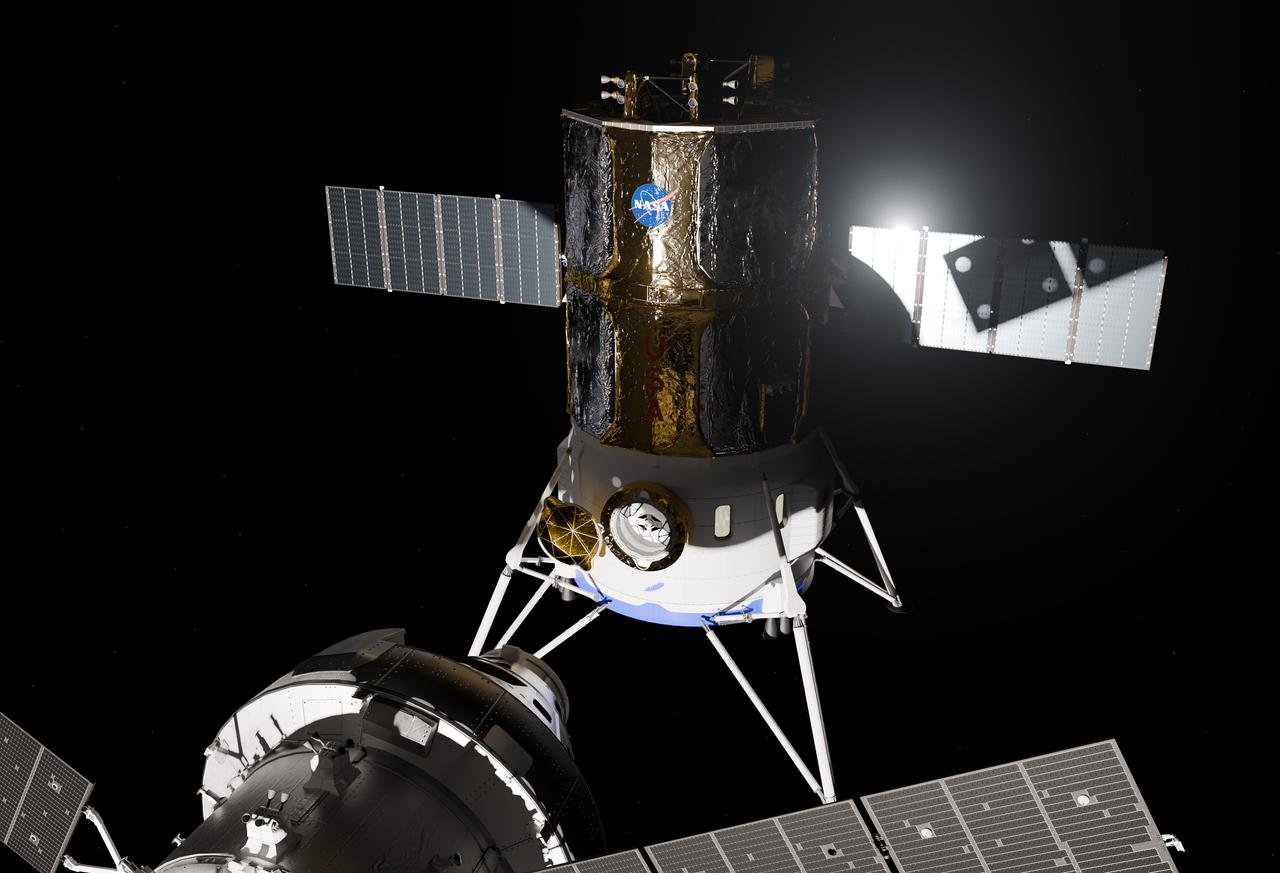
Vehicles
SLS and Orion carry the crew. Commercial Human Landing System pathfinders from Blue Origin (Blue Moon) and SpaceX (Starship) provide the docking targets — test articles, not full lunar landing flights on Artemis III.
Blue Origin (courtesy NASA)
Spacecraft overview →Family & kids
Science-museum style activities — no screens required.
Draw Orion and two lander shapes. Show them meeting in Earth orbit — not on the Moon. Label “practice docking” for Artemis III and “landing later” for Artemis IV.
Build any rocket or spacecraft you have. Talk about why NASA tests hard steps close to Earth before a crewed lunar landing.
Find the United States and Europe on a map. Artemis III’s pilot is from ESA; Orion’s European Service Module is built in Europe. International teamwork is part of the story.