SLS, Orion, and lander pathfinders

Artemis III combines NASA’s heavy-lift rocket and crew vehicle with commercial Human Landing System test articles. NASA’s public framing: practice docking in Earth orbit — not a surface landing on this flight.

In NASA’s words

SLS launches Orion and crew from Kennedy Space Center. After insertion, Orion’s European Service Module provides the burn that circularizes the low Earth orbit (NASA May 2026). Blue Origin and SpaceX provide lander pathfinders — test articles based on their HLS designs — for rendezvous and docking. Surface landing remains framed for Artemis IV. NASA has not announced a public callsign for the Artemis III Orion crew module.

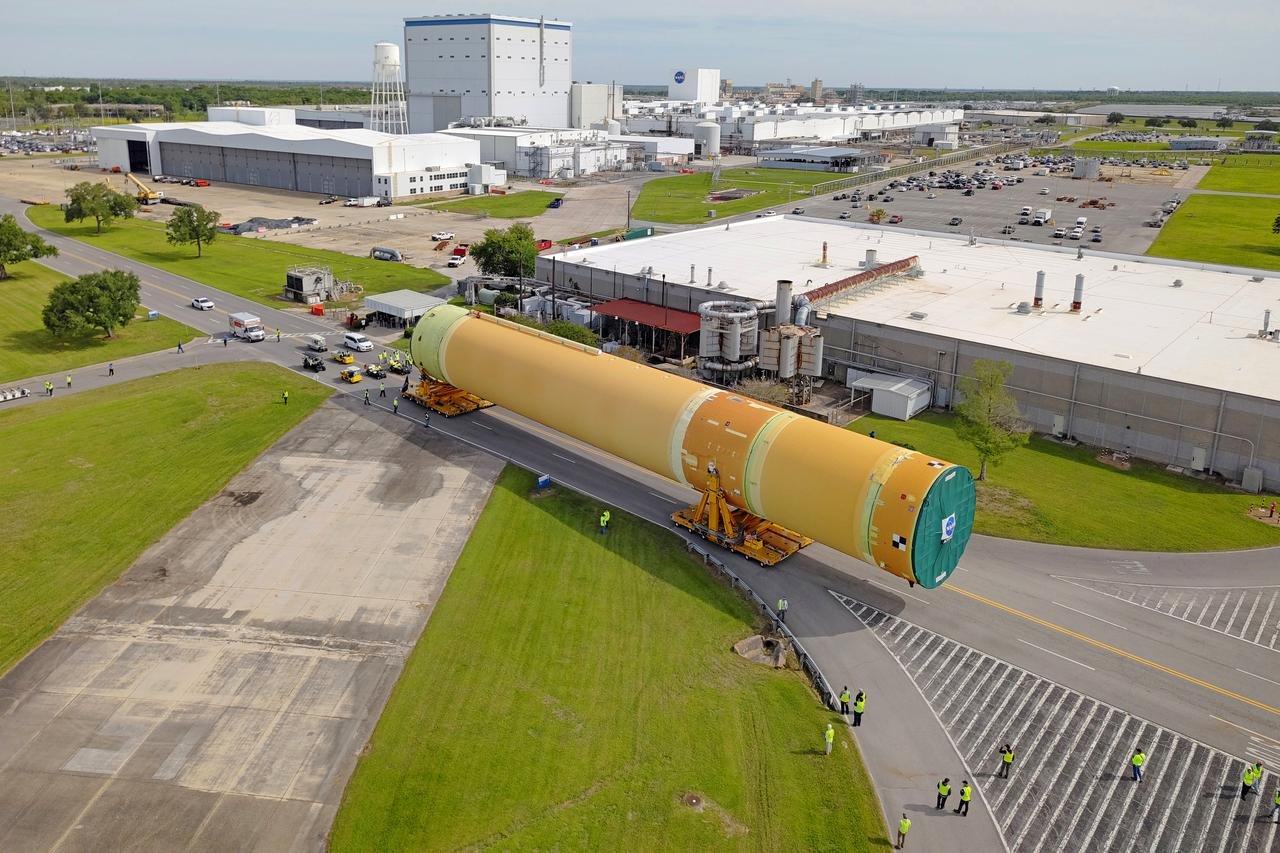
Artemis III SLS core stage rollout at Michoud NASA / Michael DeMocker

SLS

NASA’s heavy-lift rocket for Artemis. For Artemis III, NASA reported on Oct. 28, 2026, that the core stage, with all four RS-25 engines installed, was integrated with the twin solid rocket boosters on the mobile launcher in High Bay 3 of the Vehicle Assembly Building, completing the short stack. After checkouts, it will roll to Launch Pad 39B for a tanking test (NASA). Unlike Artemis I/II’s interim cryogenic propulsion stage, NASA plans a non-propulsive spacer matching upper-stage dimensions and interfaces; Orion’s ESA service module provides the orbital circularization burn in LEO.

  • RoleHeavy-lift launch of Orion and crew to LEO
  • PadLaunch Complex 39B, Kennedy Space Center
  • Upper stageSpacer (no propulsion) planned for Artemis III (NASA May 2026)
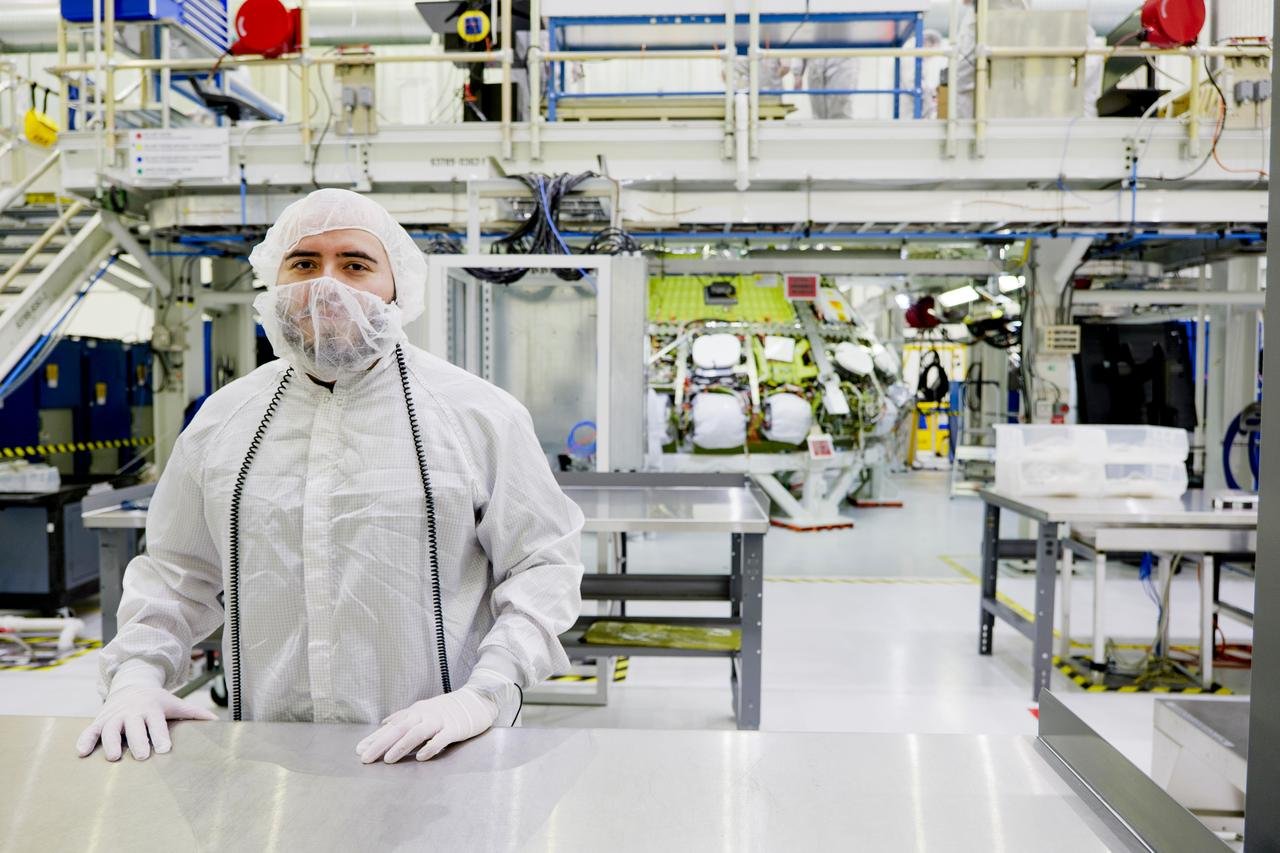
Artemis III Orion crew module NASA / Rad Sinyak

Orion

Orion carries and sustains the four-person crew. The European Service Module (ESA) provides propulsion, power, and consumables. Artemis III will demonstrate Orion’s docking system in flight for the first time and plans an upgraded heat shield evaluation on return. NASA plans a 14-day mission.

  • RoleCrew transport, habitation, docking chaser, Earth return
  • PartnersNASA crew module; ESA European Service Module
  • Public nameNo crew-module callsign announced (as of Nov. 23, 2026)
  • New on A3Docking system flight demo; 14-day LEO mission; heat shield upgrade test

Commercial lander test articles

NASA’s HLS program works with Blue Origin and SpaceX. On Artemis III both providers fly pathfinders — related to their lunar landers but configured as Earth-orbit test articles, not a crewed lunar landing.

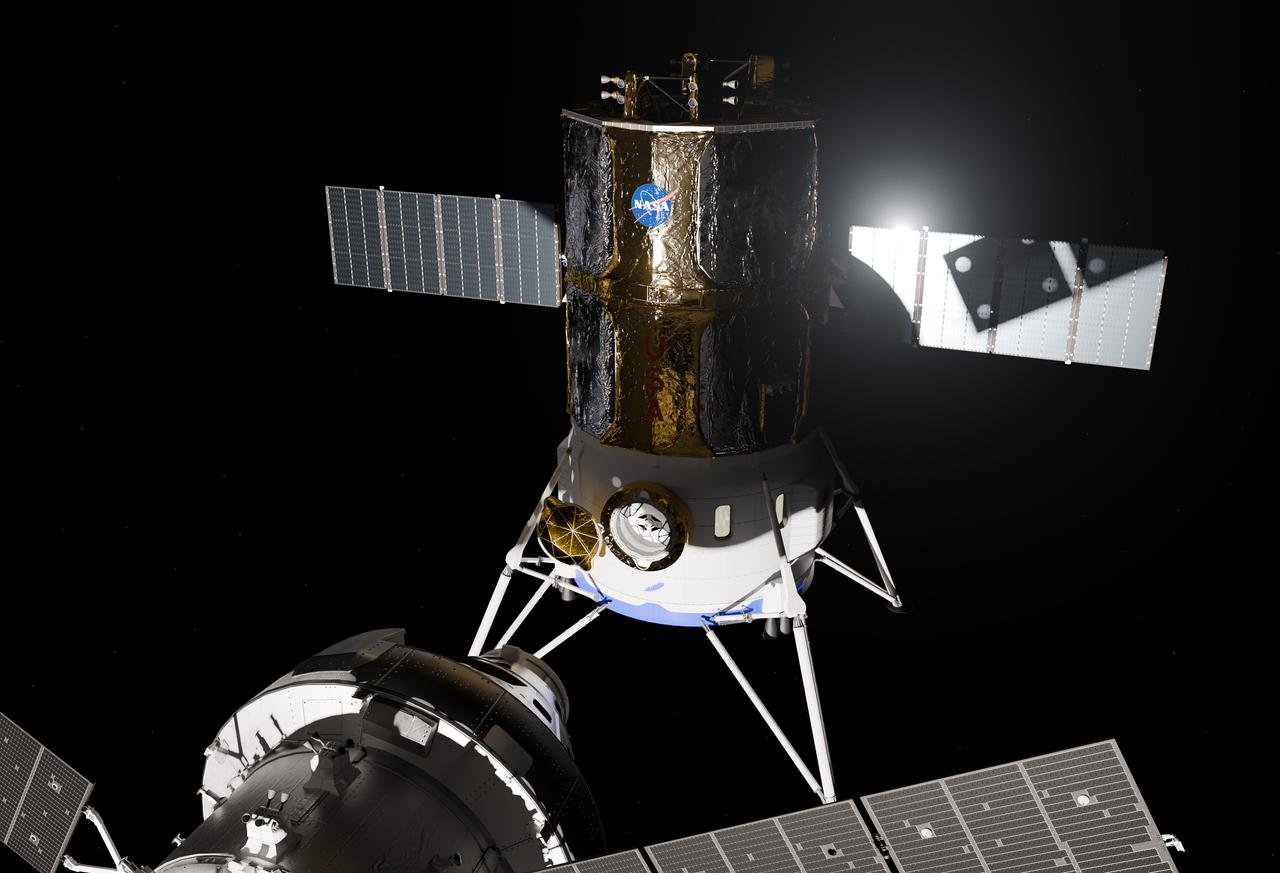
Artist concept of Blue Origin Blue Moon docking with Orion

Blue Origin

Blue Moon Mark 2 pathfinder

NASA describes Blue Origin’s lander pathfinder launching first and loitering in orbit (up to about 30 days), then docking with Orion for about two days of tests. Up to two crew members in Orion survival suits may open the hatch and enter the Blue Moon crew cabin. Docking is along the side, adjacent to the cabin (NASA HLS, July 2026).

Blue Origin (courtesy NASA) · Artist concept

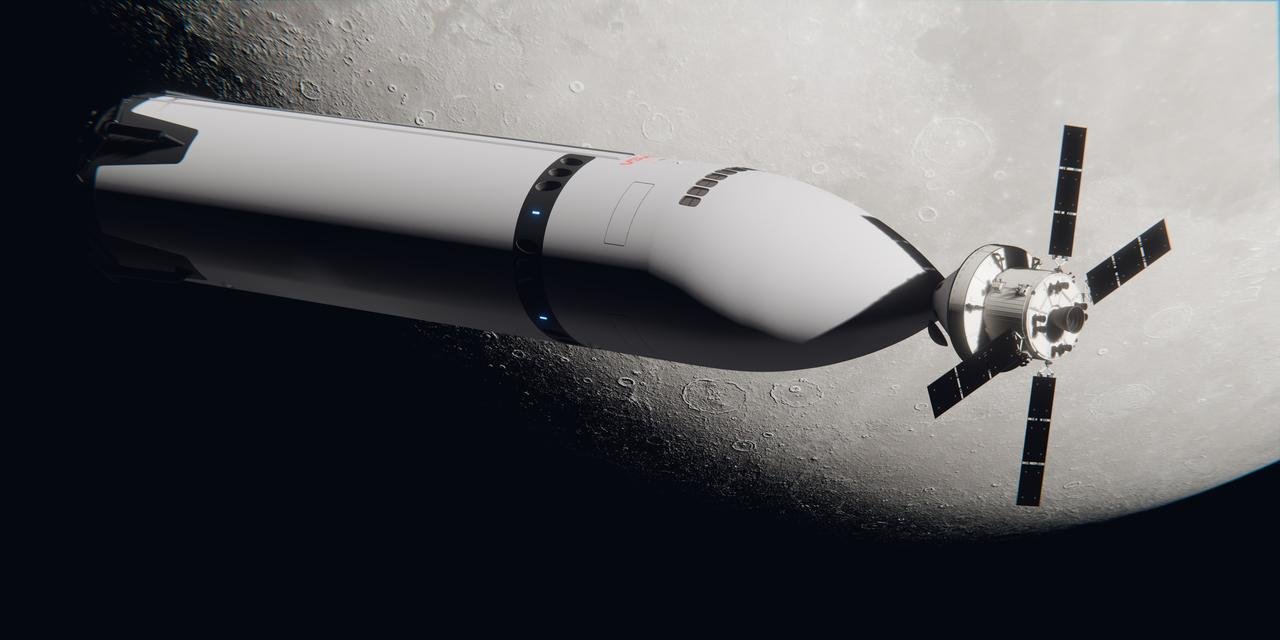
Artist concept of SpaceX Starship Human Landing System near Orion

SpaceX

Starship pathfinder

NASA describes a Starship pathfinder (Version 3–based test article with a nose docking system) launching after Blue Origin operations, into a lower orbit, for a docking test expected to last up to two hours (NASA, Oct. 2026). Docking is nose-to-nose with Orion. NASA states astronauts will not enter the Starship test lander during Artemis III.

SpaceX (courtesy NASA) · Artist concept; some renders depict future lunar ops, not the LEO demo

Gateway?

Artemis III is a low Earth orbit demonstration and does not include Gateway or a lunar surface stay. In March 2026, NASA announced it would pause Gateway in its current form and focus on a Moon Base on the lunar surface (NASA). For the 2028 landings, Orion will meet the lander in Earth orbit or lunar orbit, depending on the lander, rather than the near-rectilinear halo orbit planned earlier (NASA).

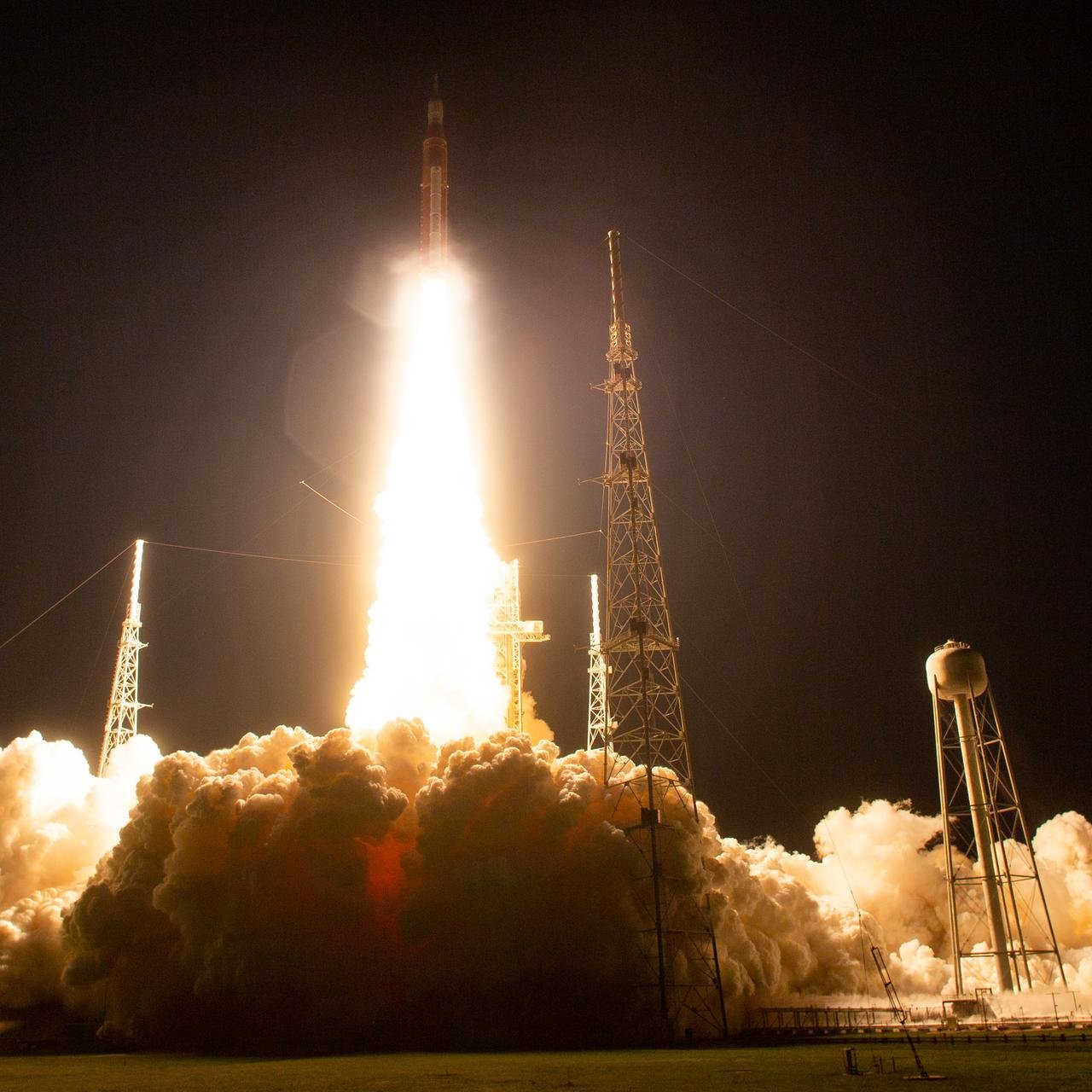
Artemis I SLS and Orion night launch heritage photography NASA / Joel Kowsky — Artemis I launch photography (SLS/Orion heritage)

Heritage launch photography of SLS and Orion (Artemis I) sits beside Artemis III hardware imagery — same vehicle family, different mission profile.